
American Nature Strategy
Built to Win, Designed to Last.

The American Nature Strategy is a ten-year framework to rebuild durable, bipartisan support for conservation. It sets shared goals for public lands and wildlife, private and working lands, and water, and lays out the state and federal pathways to reach them. Convened and stewarded by USNI, the strategy was built with extensive input from the field and designed to grow with each campaign win.
Scroll To:


10 Years
shared goals the field can align around through 2035
3 Pillars
Public Lands & Wildlife
Private & Working Lands
Water
200+ Leaders
across the field, from Alaska to Florida
Few issues still unite this country, and American nature is one of them. It lives in the ranch that has stayed in one family for generations, the trout stream under Appalachian hemlock, and the marsh behind a coastal town that takes the first hit from every storm. Yet too often, wins secured under one administration are undone by the next. Over recent decades, the ground under conservation has shifted, and the old playbook has not kept pace. Read more about what shifted.
Conservation does not lack public support. It lacks a shared strategy built to last.
The American Nature Strategy aligns the field and its funders behind goals designed to hold. It is built to win across party lines and designed to last beyond any single administration.
Three Pillars
Shared Ten-Year Goals Across America’s Land and Water
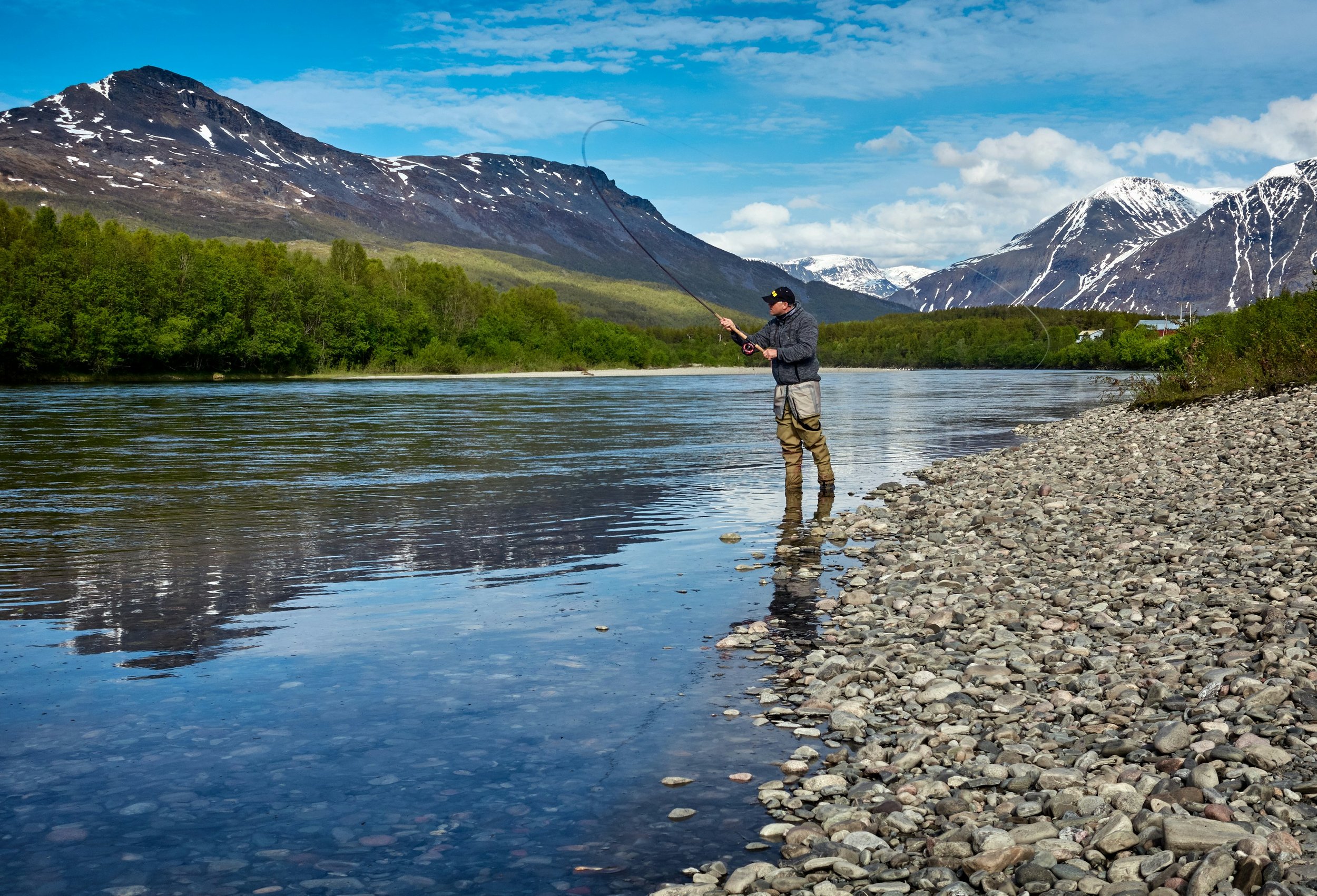
Water
Water is the strongest bipartisan entry point conservation has.
By 2035: Durable federal water policy and funding that materially improve water quality, security, and resilience.
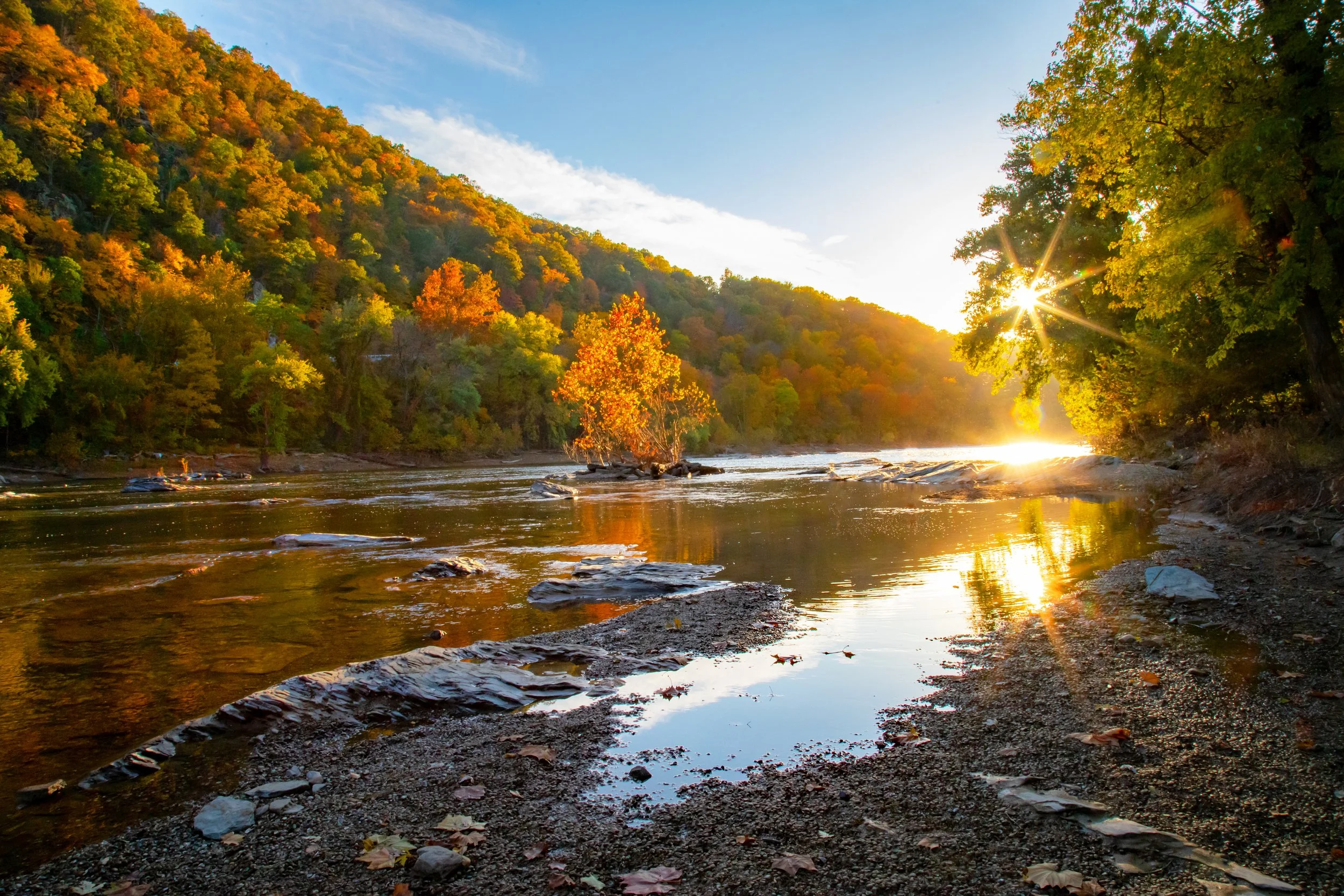
Public Lands & Wildlife
Public lands are a shared asset and the backbone of rural economies and outdoor life.
Coming Fall 2026
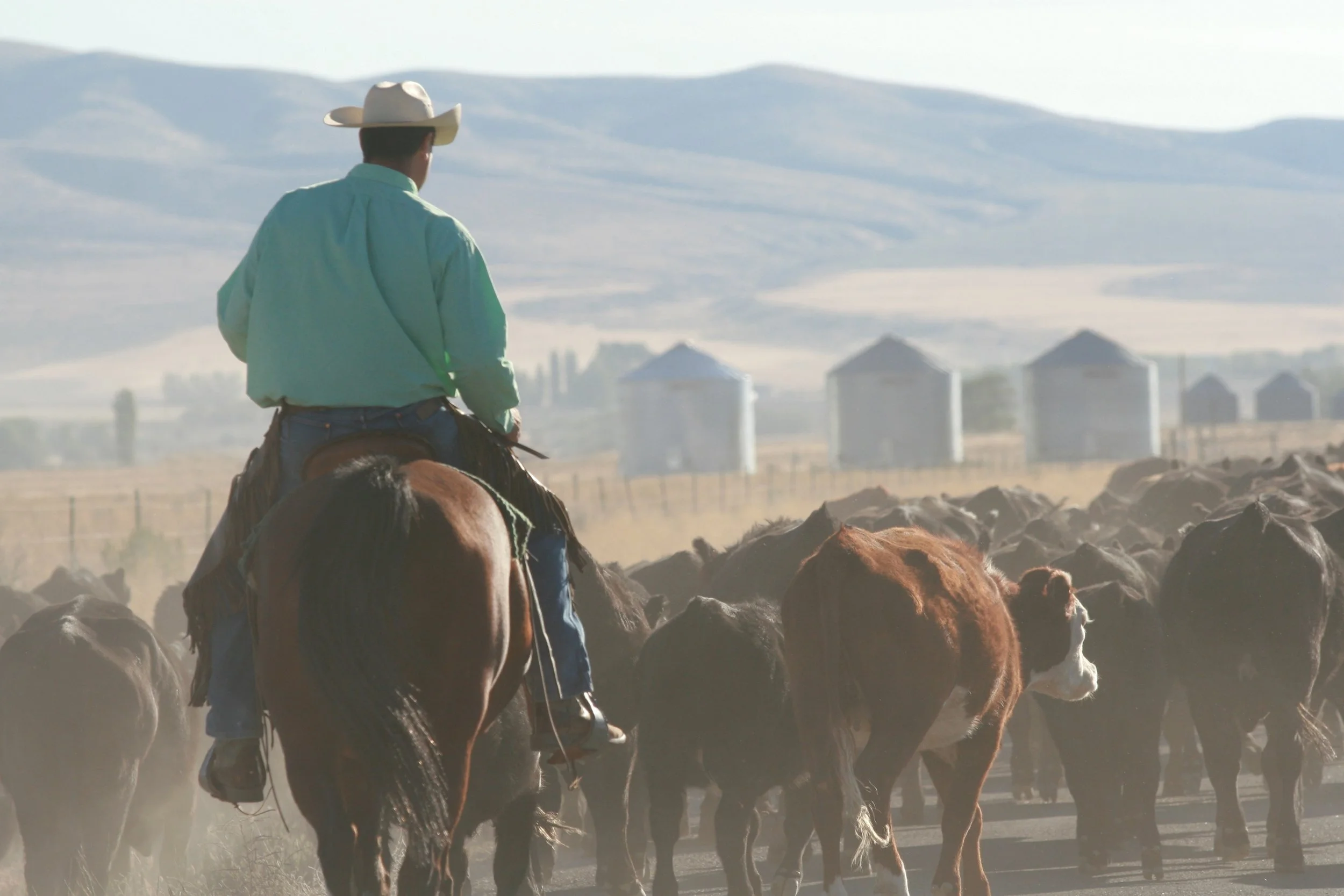
Private & Working Lands
Most habitat loss happens on private land. Voluntary, incentive-based conservation works and draws bipartisan support, but it lacks scale.
Coming Fall 2026
Evidence Behind the Strategy
Three bodies of work examined what makes a win last, what it takes to win, and where nature is losing ground. Their findings shaped the American Nature Strategy's goals, where it focuses, and how its campaigns are built.
Durability by Design
Four lessons on what makes conservation last, built from the outset.
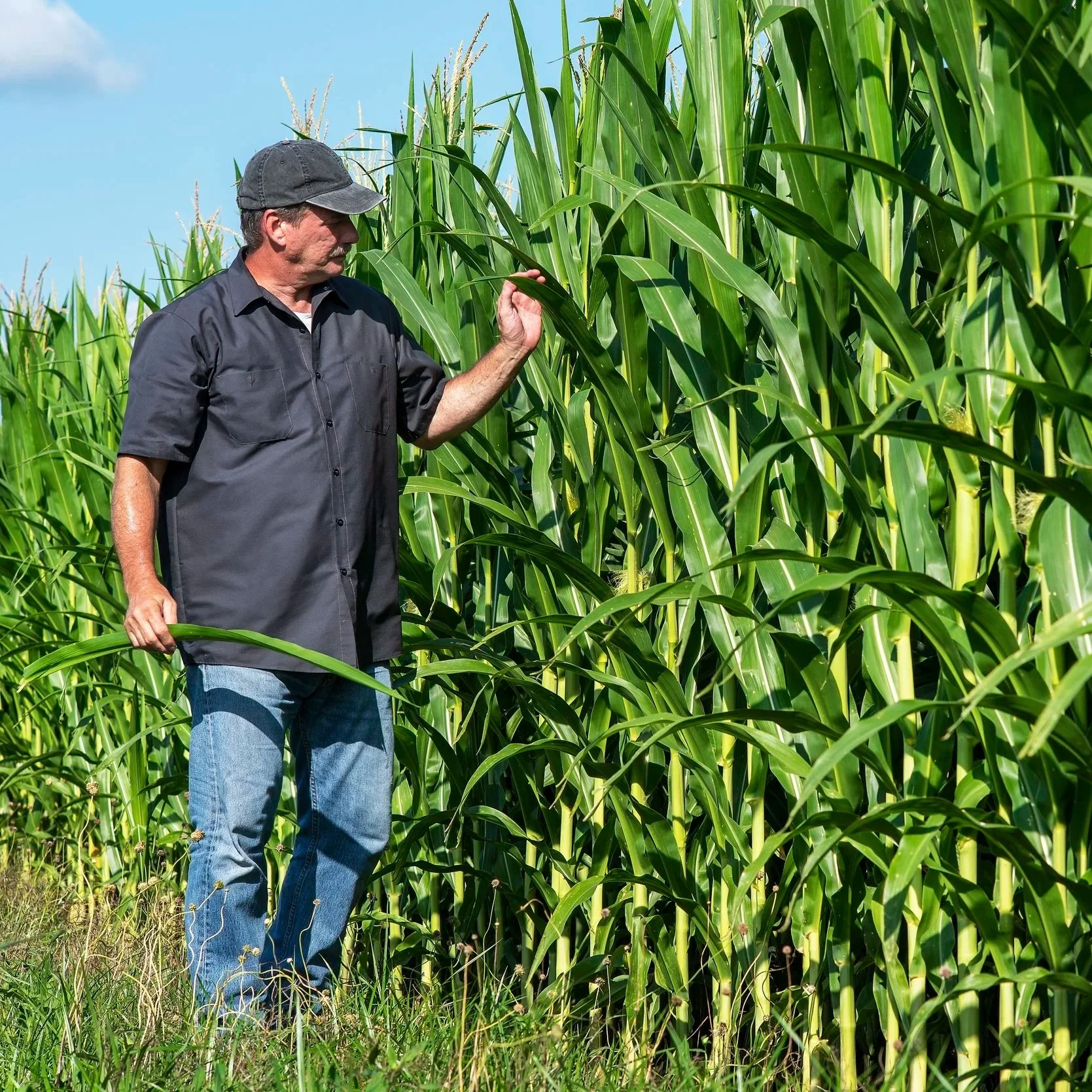
State of Play
Coming Fall 2026
Conservation Landscape Assessments from 200+ practitioners across eight regions on what it takes to win, right now.
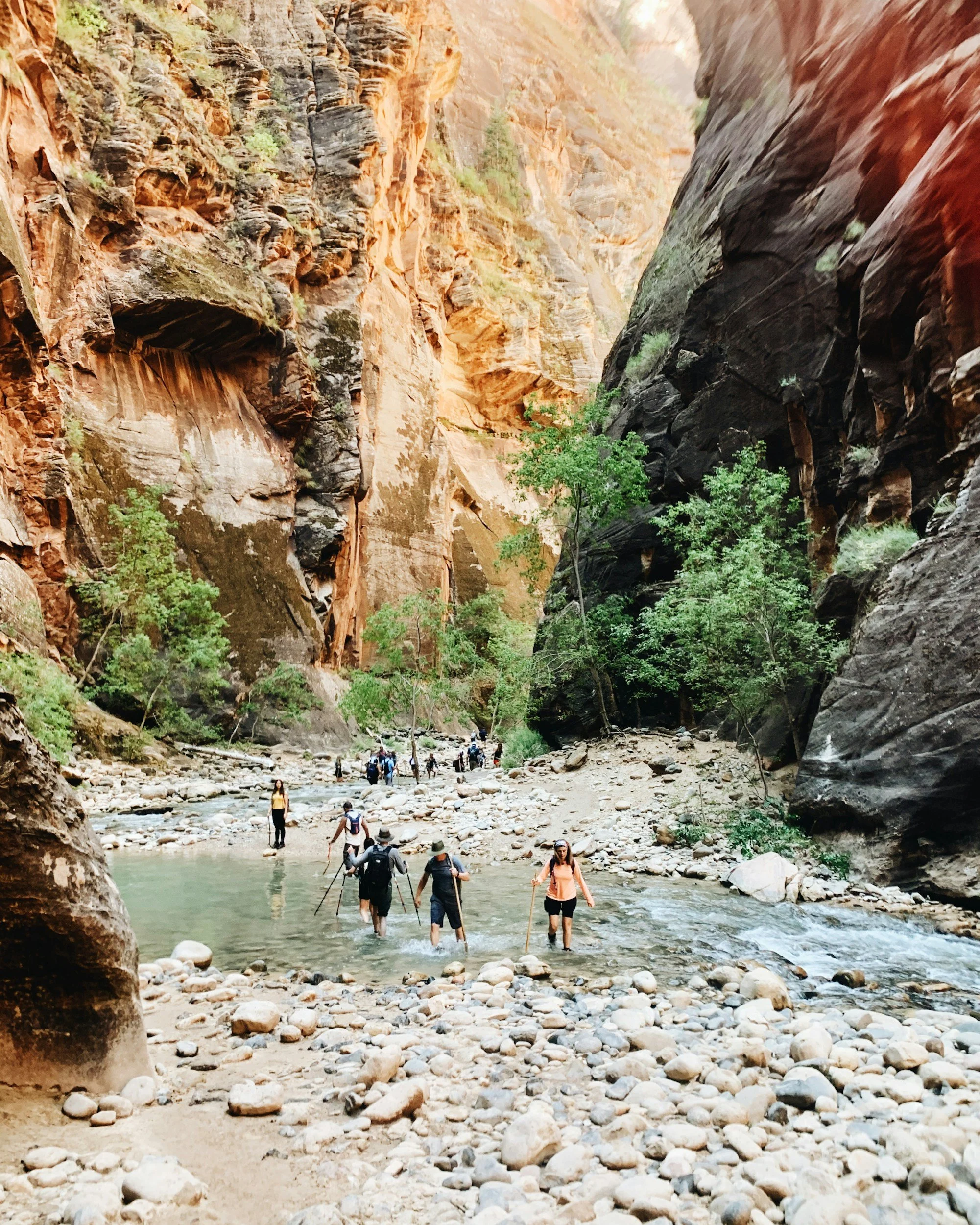
Anchored in Science
Coming Late 2026
How Our Campaigns Work
Locally Driven, Federally Leveraged
Build

The coalition, the capacity, and the case in a place where a win is available, with the people and money behind it.

Win
The Strategy starts where conservation still wins, in state and local campaigns led by people decision-makers already trust. Every campaign has three jobs.
Leverage

Secure a real policy win that proves the model works and shows decision-makers that conservation delivers for the people they represent.
A campaign run this way leaves behind more than a policy: a trained campaigner, a coalition still working, a message tested under pressure, and a champion who led.
Amplify the win with a governor, a congressional delegation, a committee chair, or a neighboring state that could do the same.